


Does the bottle matter or are the wine lovers being a tad bit dramatic?

Updated: Aug 27, 2025

If you love wine but don't know all the fancy people rules-- because there are a lot, you have stumbled upon the perfect article. See when it comes to wine, experts say there are many factors to take note of to truly embody the full experience: the grape, the terroir, the vintage, the winemaking style and of course the vessel. Or for us normies: the type of grape, where t was made, how old the wine is, how it was made and what kind of bottle it came in.
Now as much as I joke, I do love myself a good wine so I o understand where the experts are coming from. Here in South Africa specifically, our wine culture has grown exponentially over the years, with the type of bottle used making a much bigger impact than one would normally imagine. As the saying goes, we eat with our eyes first, so of course a sexier bottle sets the stage for how we perceive and enjoy a wine.
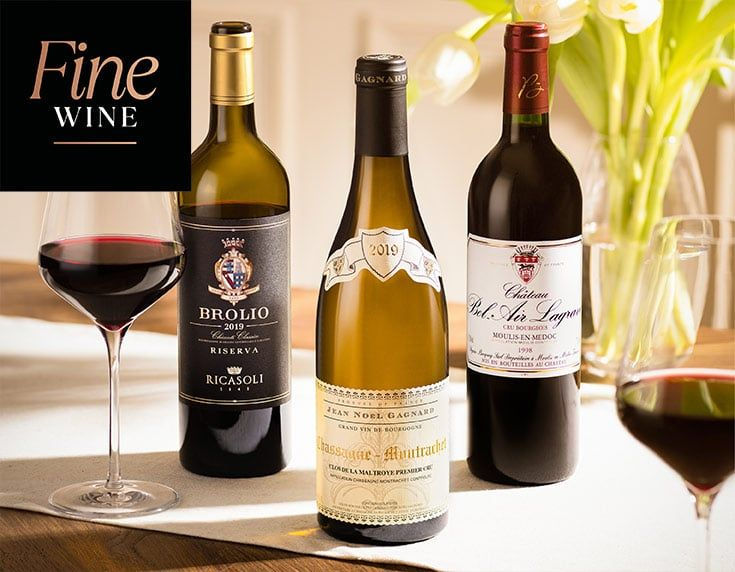
The Importance of Bottle Types: Bordeaux vs. Burgundy
There are two types of bottles that dominate the South African wine scene, Bordeaux and Burgundy. They're deeply traditional bottles named after the French regions that are famously wine hubs. Back to the bottles though, you can tell quite a lot about a wine from the kind of bottle it came in.
In terms of their physical appearances, the Bordeaux bottles are tall and straight shoulders, and typically house wines that give of a similar structured, authoritative feel such Cabernet Sauvignon, Merlot and Pinotage. While Burgundy bottles are the complete opposite with their more curved edges and sliding shoulders. They typically house softer, smoother wines such as Chardonnay or Pinot Noir, that give off a more elegant and gentle feel.
To put it in perspective of other alcohols, think of a hard smoky whisky vs sweet cider or even a nice cocktail. They're both good but very different in both personality and bottle shape. This is the importance of the bottle, their yin yang presentations can tell you as the potential byer what to expect the moment you pop the cork.

The Practical Side of Bottle Design
Going beyond visuals, their bottle shapes can actually tell us a lot about the functional intent of the creators. The high set shoulders Bordeaux bottles make them perfect for catching things such as dust in the older wines, telling us that the wine is likely intended to be aged for a while.
Whereas, the rounder nature of the Burgundy bottles makes them quite sturdy. This helps greatly during the aging process as these wines are usually less processed and delicate, therefore need the extra support to ensure they age gently in a bottle and don't require filtering a large amount of sediment.
The Role of Glassware in Wine Enjoyment
The bottle is not the only vessel to consider when enjoying wine, the glass matters too. Critics and wine experts say that a glass adds quite alot to the experience, and the shape, length and glass material of your wine glass can influence the smell and taste of the drink.
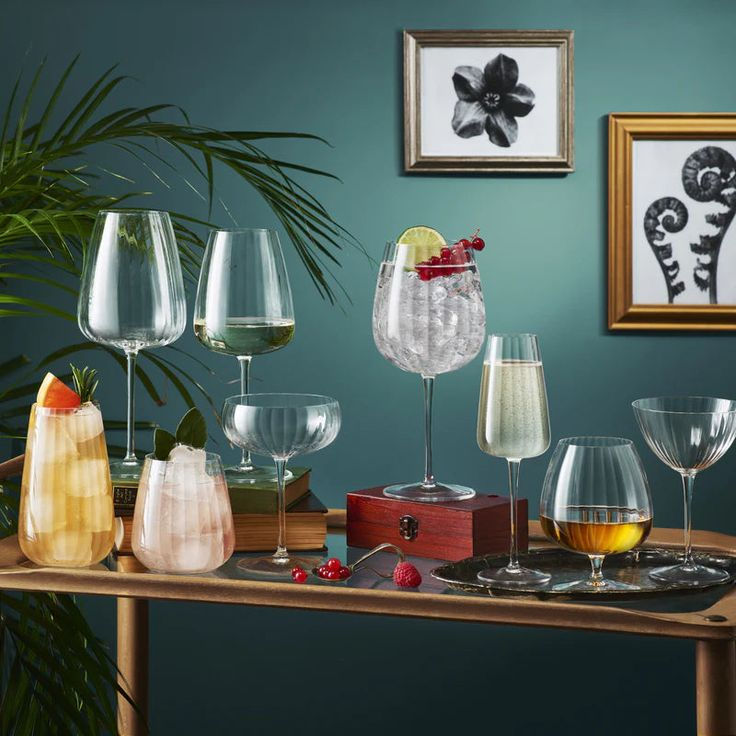
The different shape and their roles
The most recommended type of glasses, which work well with most wines but is often used for reds, are the Bordeaux and Burgundy glasses. This is because have a wider bowl and a narrow opening.
The reason for this is that they allow the aroma of the wine to truly open up when swivelling. If you want to get into the science, the reason we swirl wine before drinking it is because the motion compounds the aroma and the alcohol evaporates. And I mean, practically speaking, a glass with a wider bottom is the perfect one to use as it helps you avoid spilling your drink as you swirl.
The other kinds of glass are white wine glasses and sparkling wine glasses. These are very different to the red wine glasses as the cater to their respective wines and have characteristics that exenuate the wines.
White wines, such as Sauvignon Blanc and Chardonnay, are generally more delicate than reds. This means, they don't need the extra help of a very wide glass to get to fully aroma across. Instead, their bowls are smaller to limit exposure to air, ensuring that their aroma stays fresh and delicate.
Sparkling wine glasses on the other hand are an entirely different ball park. They are normally skinny and long like the Flute. This is done to accommodate the bubbles of a Champagne for example, by limiting the surface area in the wine is exposed to.
The wine glass importance is one that has become quite popularly know in recent years, with many South African wine tasters now incorporating a wide variety to choose from in their tasting rooms.

Final Thoughts
So, to get back to the very thesis of this article: do bottle shapes and glasses matter in South Africa? The short answer is, Absolutely.
The bottle a wine comes in offers up a lot about what one should expect, shaping the perception of the wine's identity, while the glass influences how we interact with it directly. These are deliberate choices made by producers, that tell us the story of a wine before and while tasting it. The South African wine scene, continues to follow the leading wine countries in suit in the persuit of giving consumers the best wine experience they can.


Comments